65 year old patient with rheumatoid arthritis and a large extension deficit
A 65-year-old patient with rheumatoid arthritis and a large extension deficit at 90. She had worsening right knee pain that woke her up at night. She underwent robotic knee arthroplasty. The bone-preserving technique was used, where fewer millimeters of bone were removed. The axis from 50 was restored to 20 and flexion from -90 to 10. The patient was discharged on the second day and is now walking without any discomfort
60 year old active patient with worsening left knee pain
A 60-year-old active patient. He had worsening left knee pain that woke him up at night. The pre-operative X-ray shows osteoarthritis on the medial side of the knee. He underwent robotic knee arthroplasty. The bone-preserving technique was used, where fewer millimeters of bone were removed. The patient was discharged on the second day and is now walking without any discomfort
Patient with knee osteoarthritis and severe knee deformity
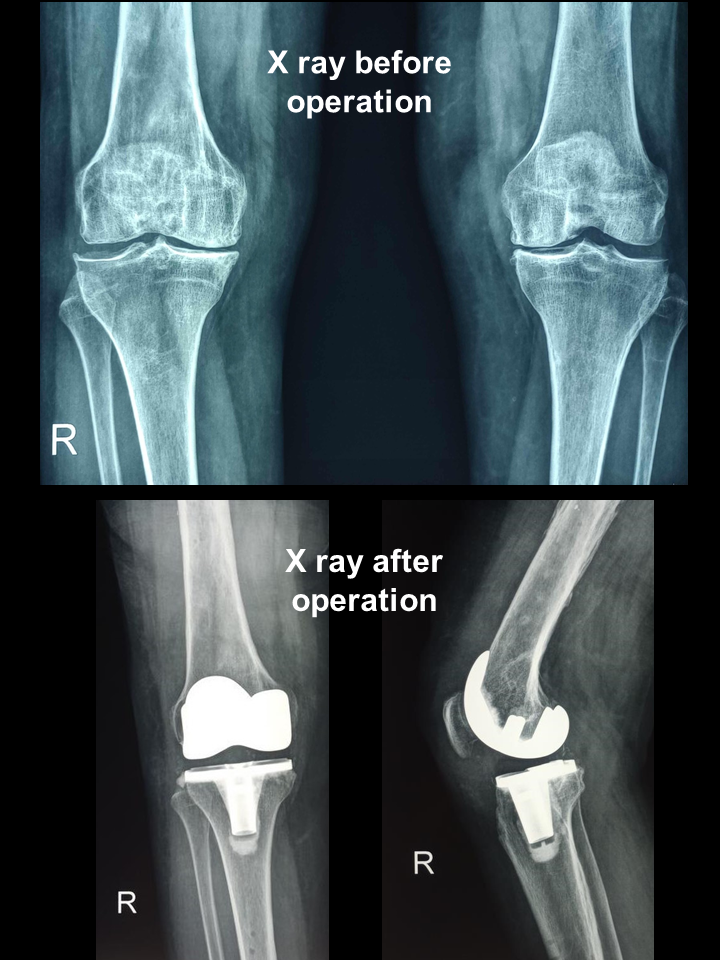
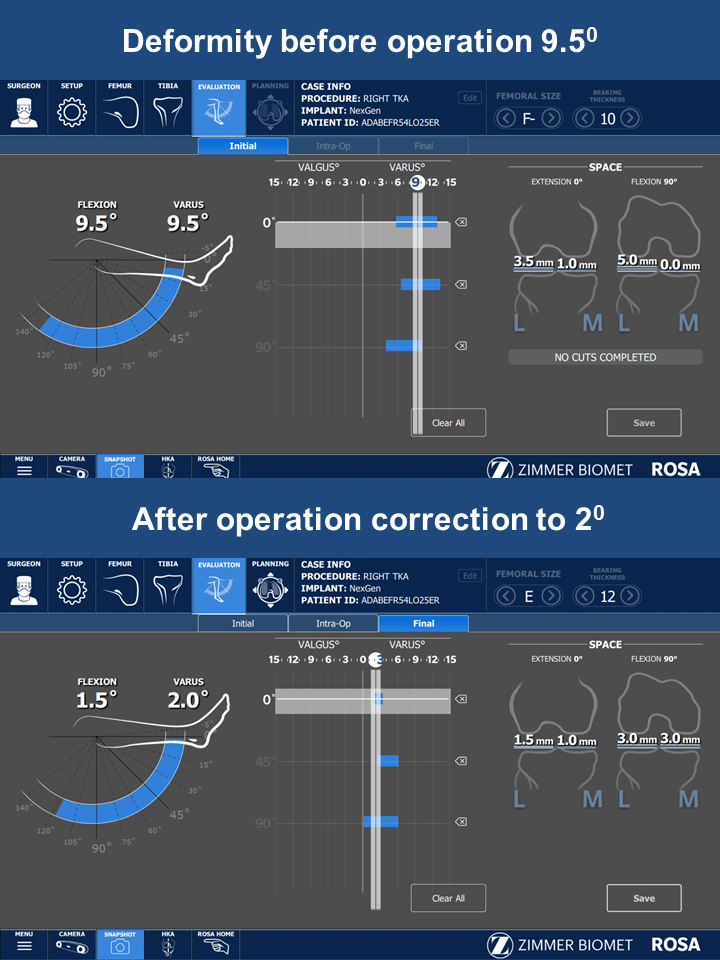
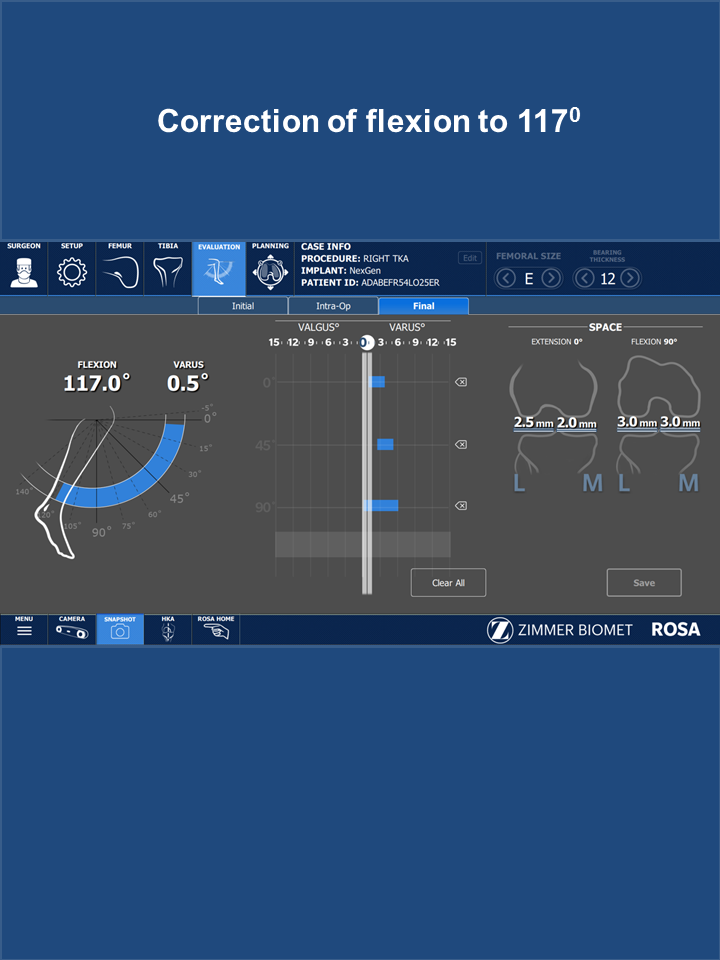
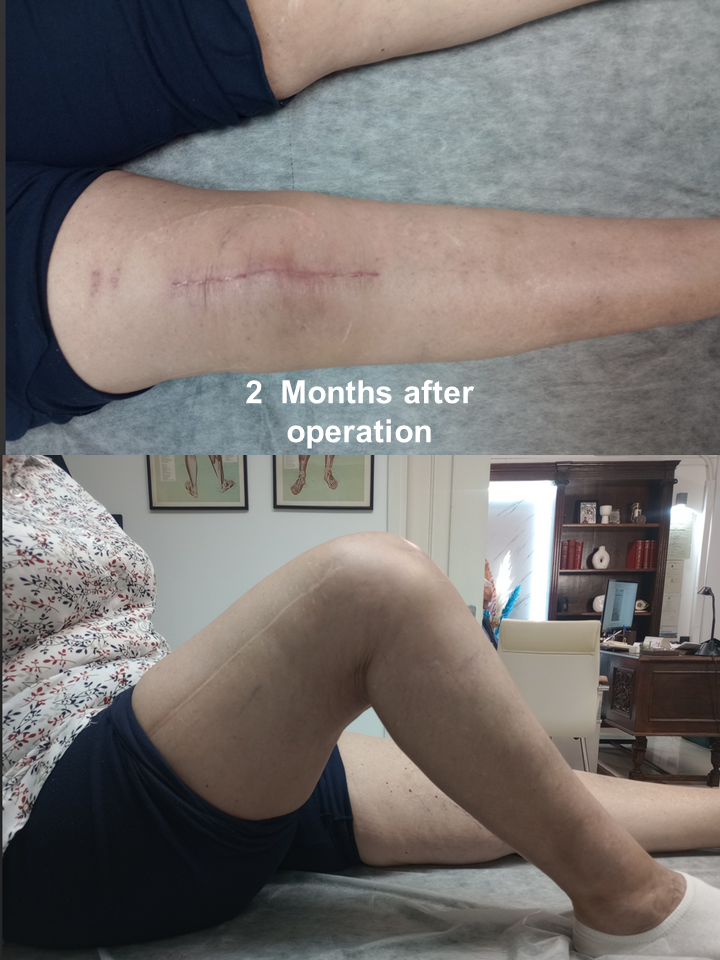
A 74-year-old patient with post-traumatic osteoarthritis and severe deformity. She had worsening right knee pain that made walking and sitting difficult and woke her up at night. She underwent robotic knee arthroplasty. The bone-preserving technique was used, where fewer millimeters of bone were removed. The axis was restored from 9.50 to 20, the extension deficit from 9.50 to 1.50, and flexion to 1170. The patient was discharged on the second day and now walks without any discomfort.
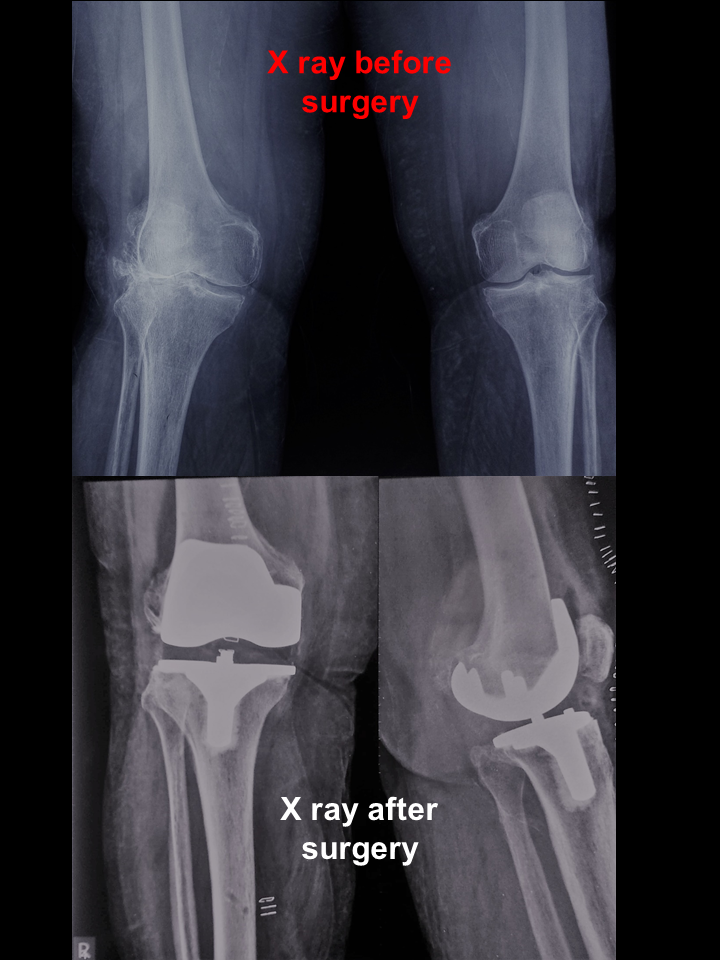
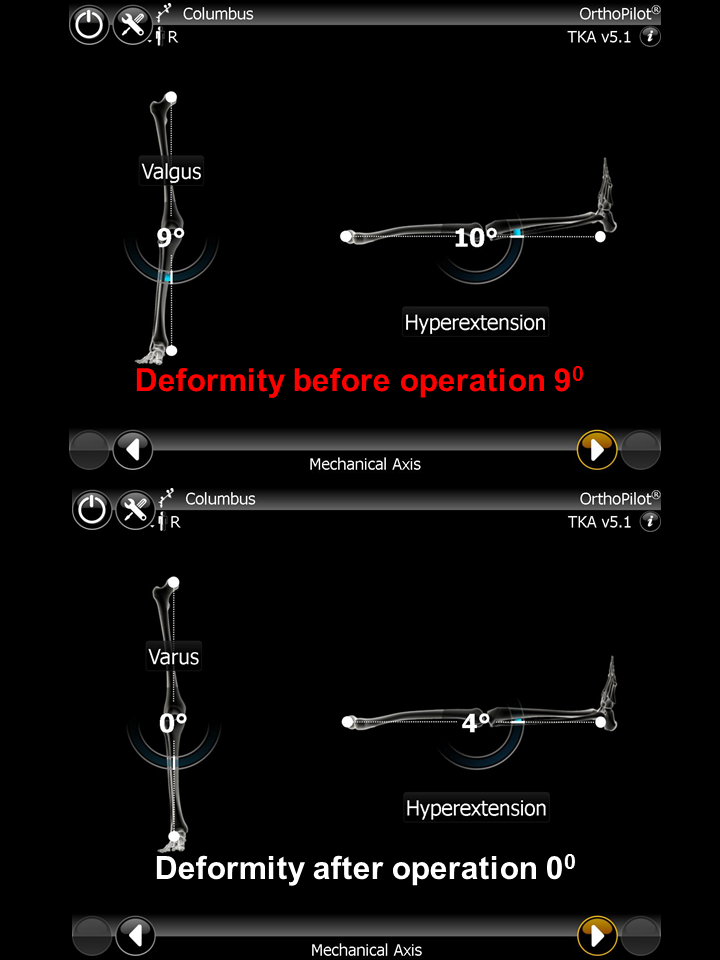
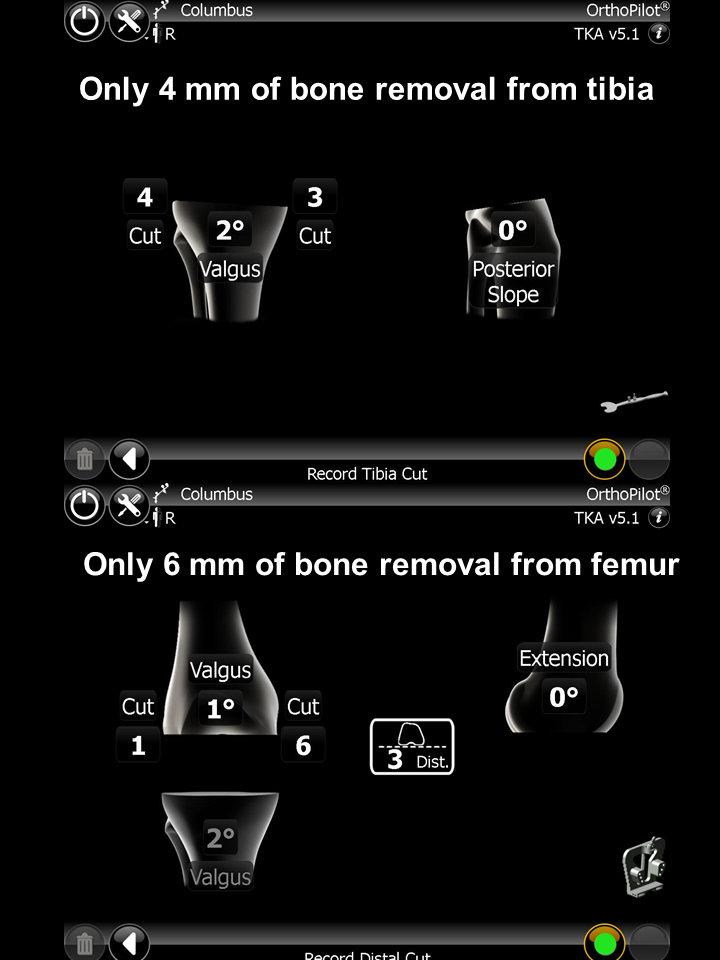
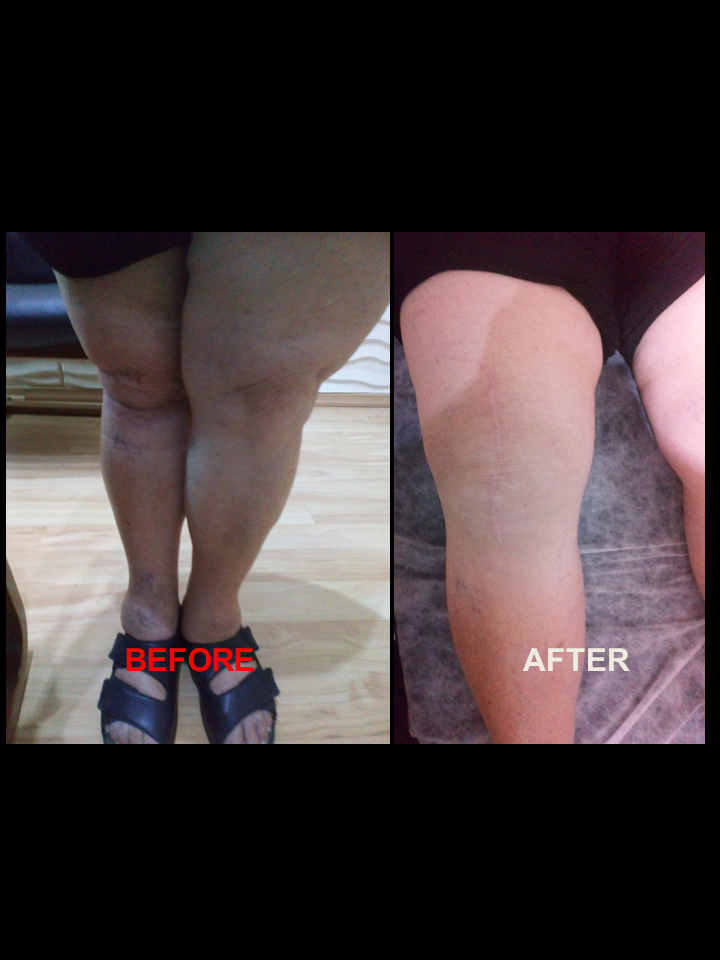
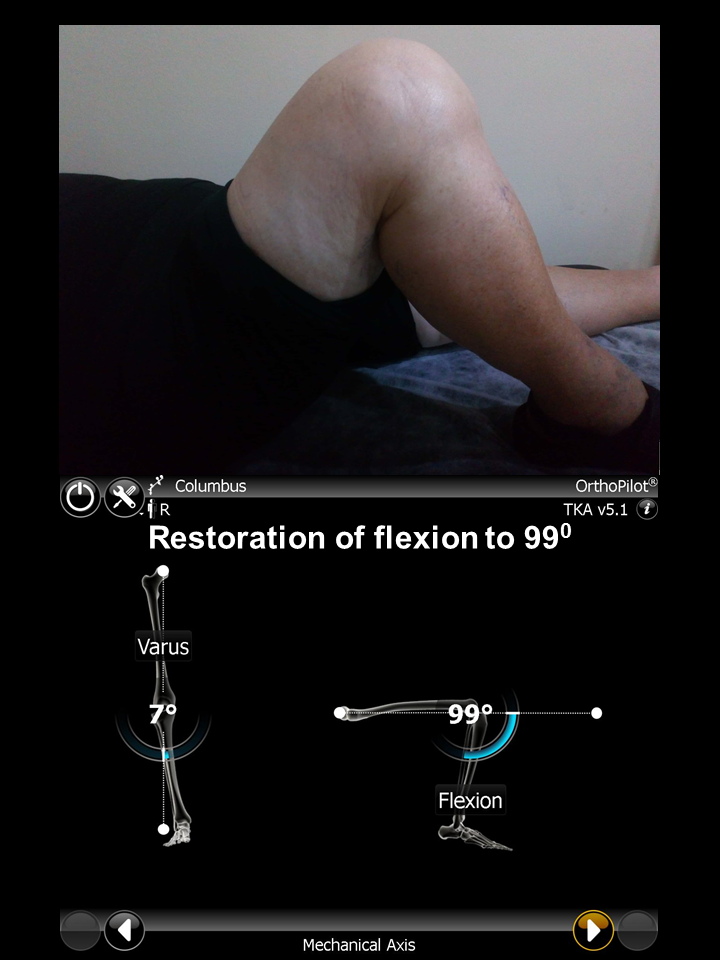
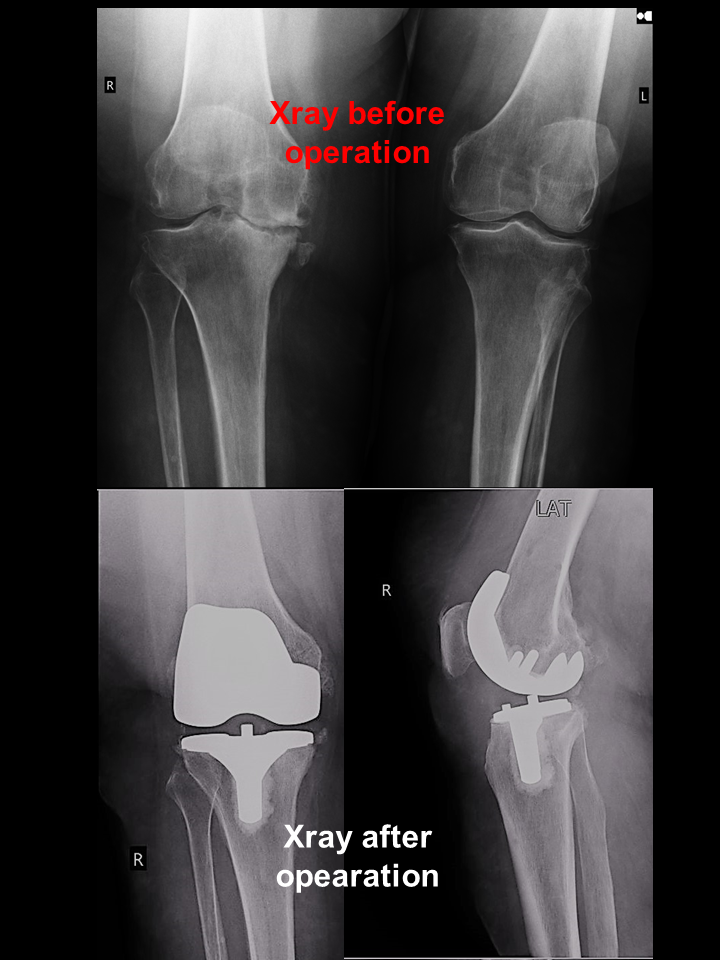
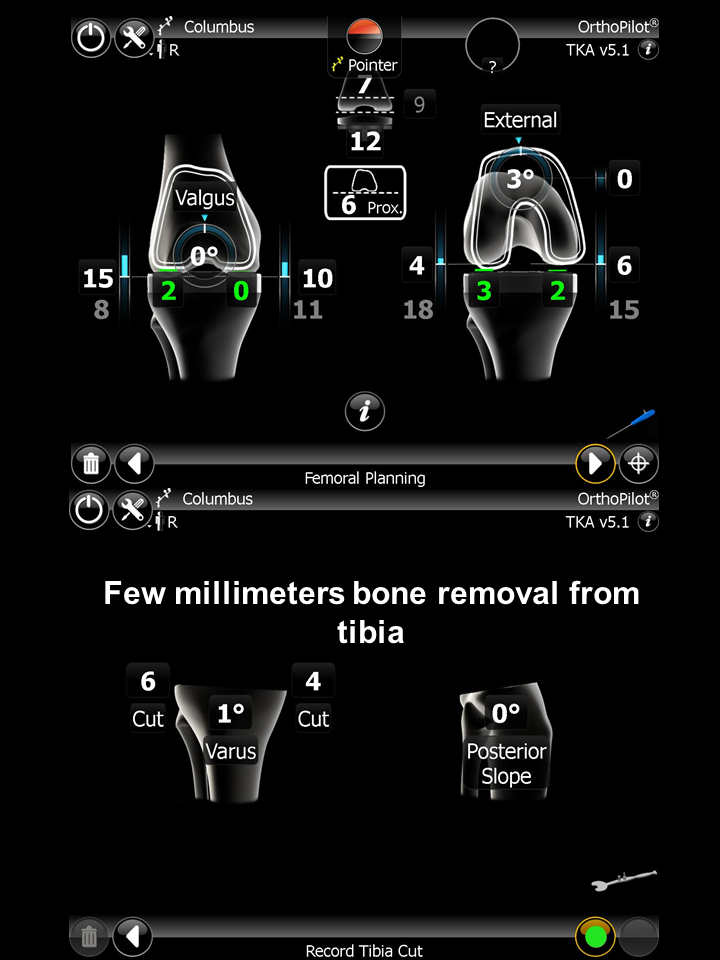
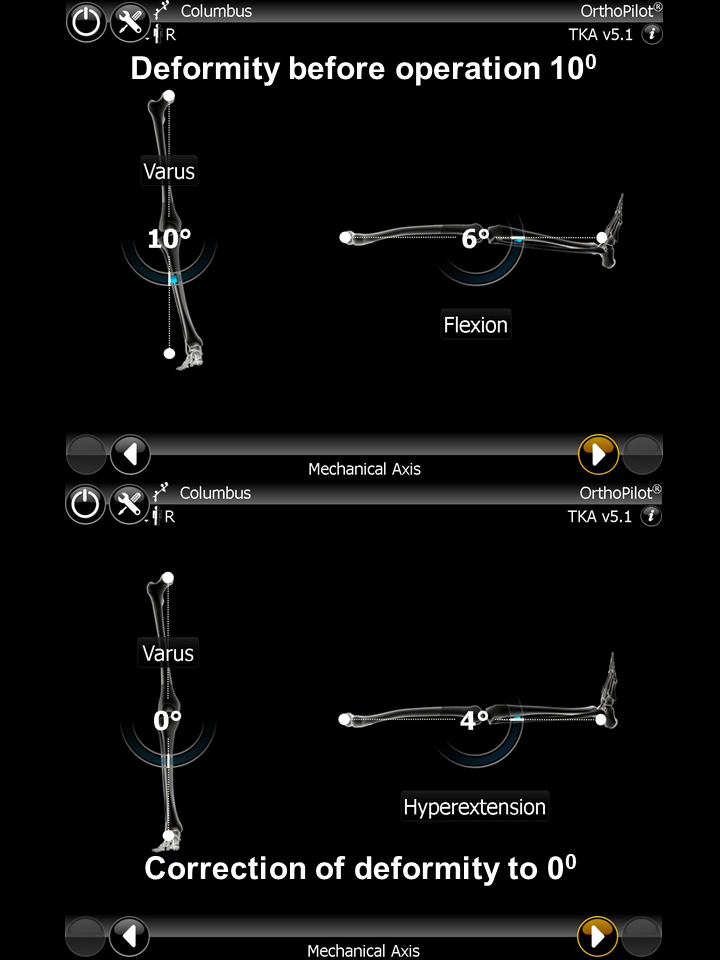
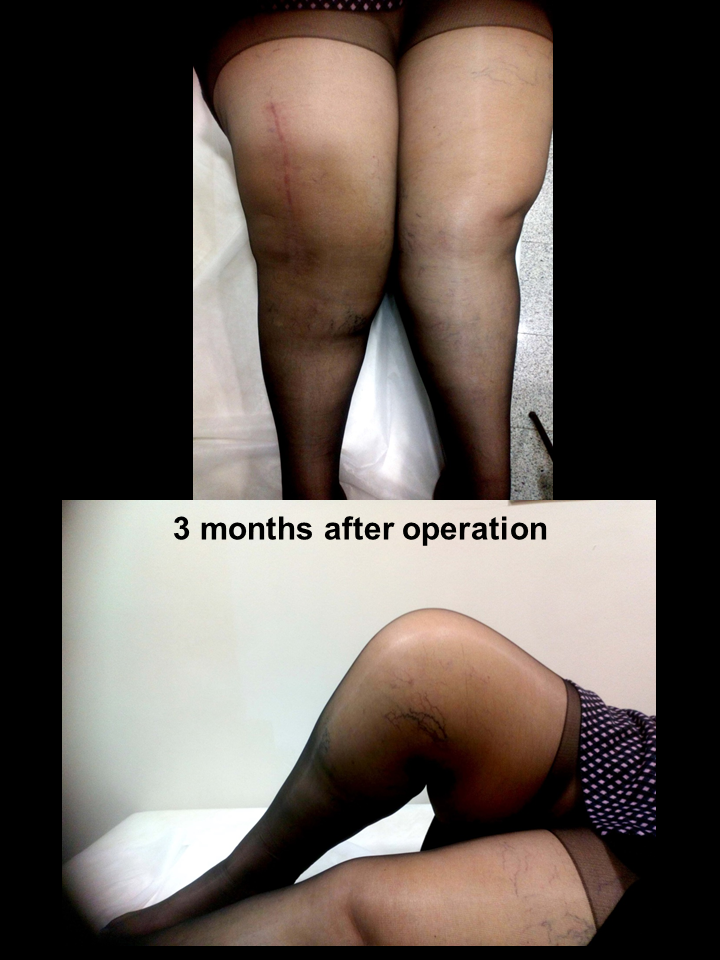
Patient, with osteoarthritis of the right knee, severe deformity and instability
Patient, 75 years old, with osteoarthritis of the right knee, severe deformity and instability. She experienced worsening right knee pain that made walking and sitting difficult and woke her up at night. She underwent robotic knee arthroplasty. The bone-preserving technique was used, where fewer millimeters of bone were removed. The axis was restored from 90 to 00, hyperextension from 100 to 40, and flexion to 990. The patient now walks without any discomfort.
Patient underwent robotic arthroplasty in both knees on the same day
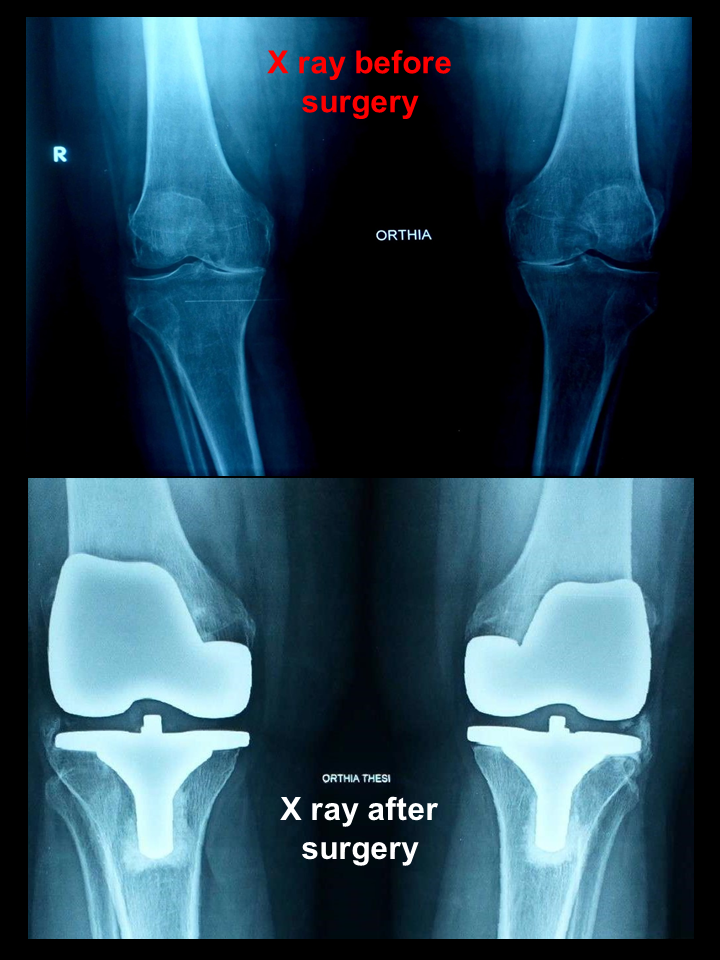
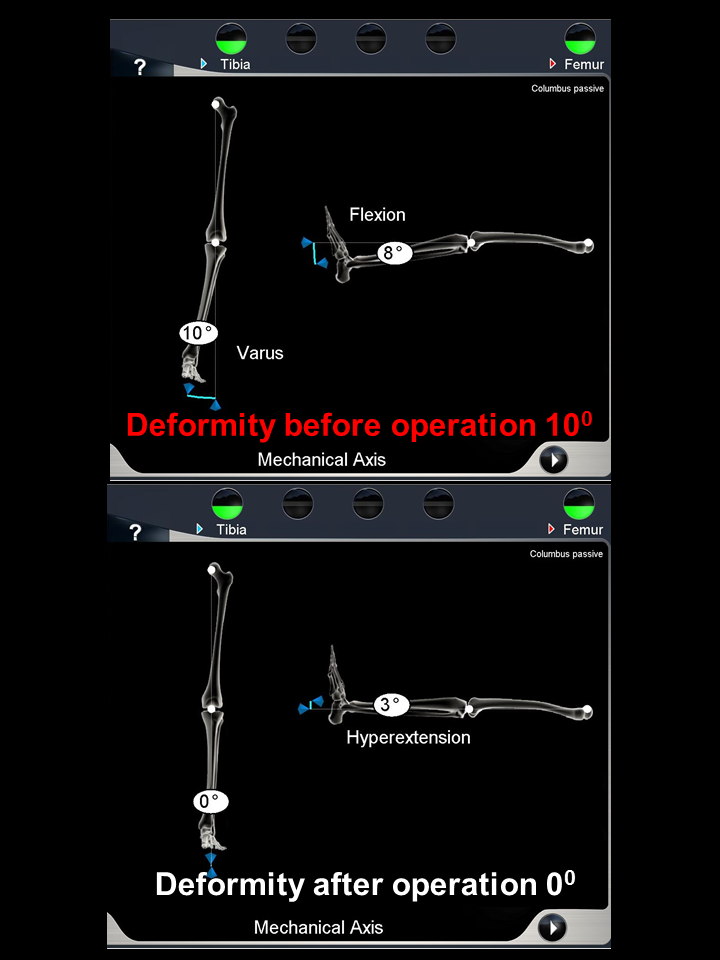
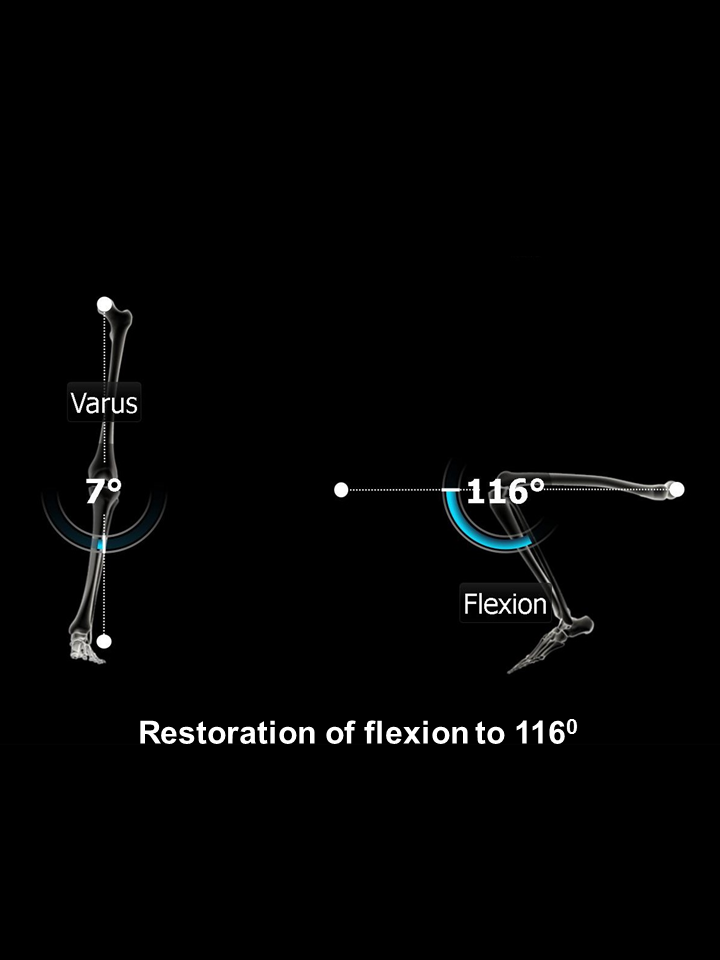
A 75-year-old patient with osteoarthritis in both knees. She had worsening pain for the past 2 years, which made walking difficult and woke her up at night. She underwent robotic arthroplasty in both knees on the same day. The bone-preserving technique was used, where fewer millimeters of bone were removed. The axis in the left knee was restored from 100 to 00, and similarly in the right. Flexion in the left was restored to 1160. The patient now walks without any discomfort.
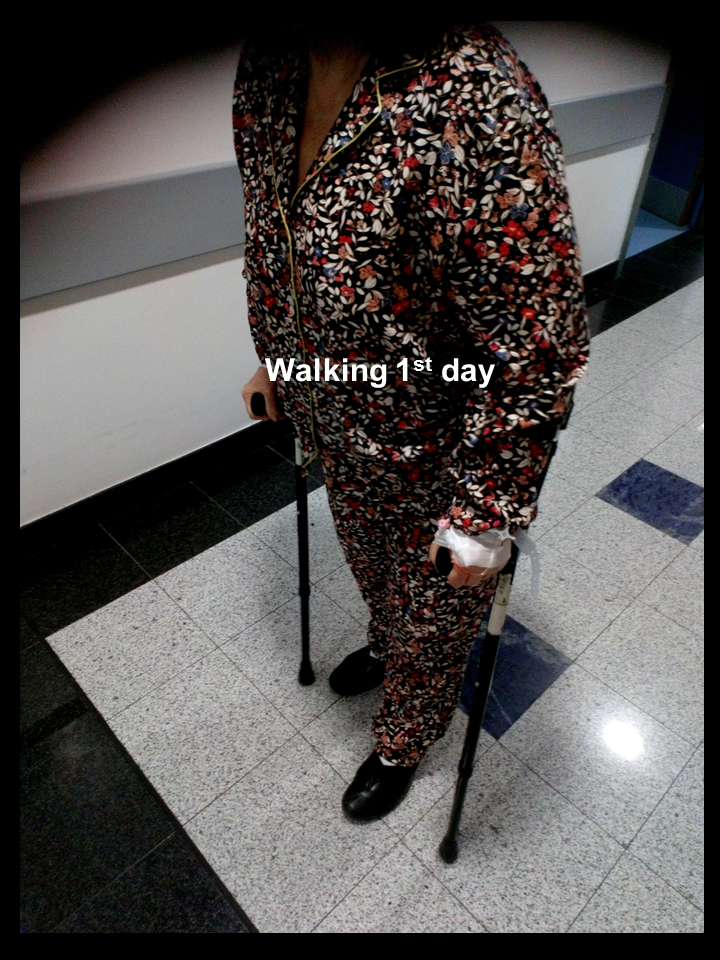
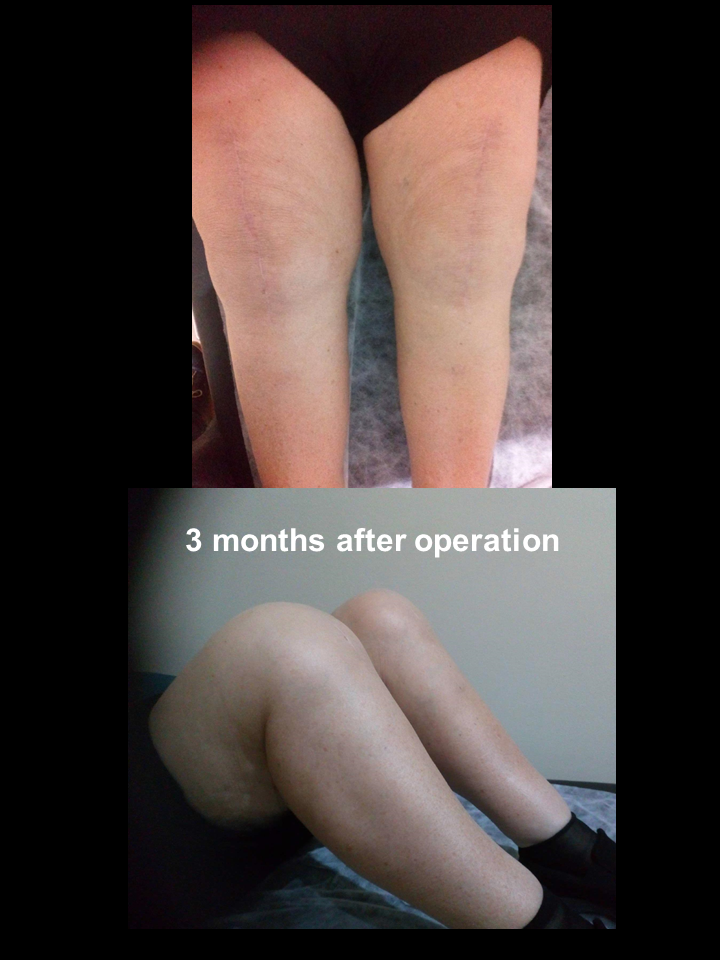
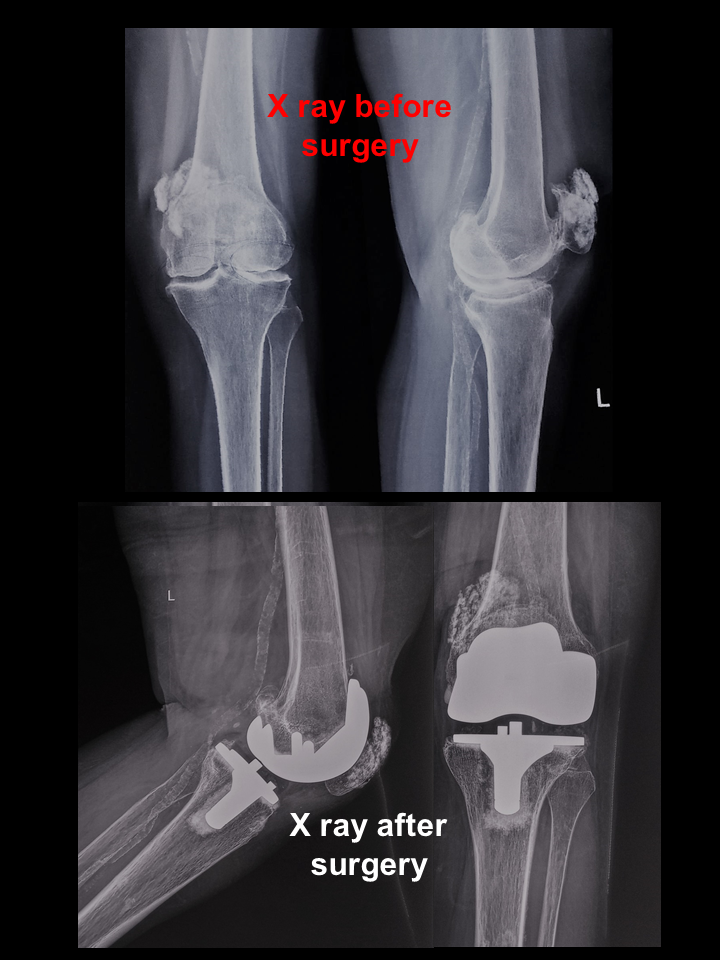
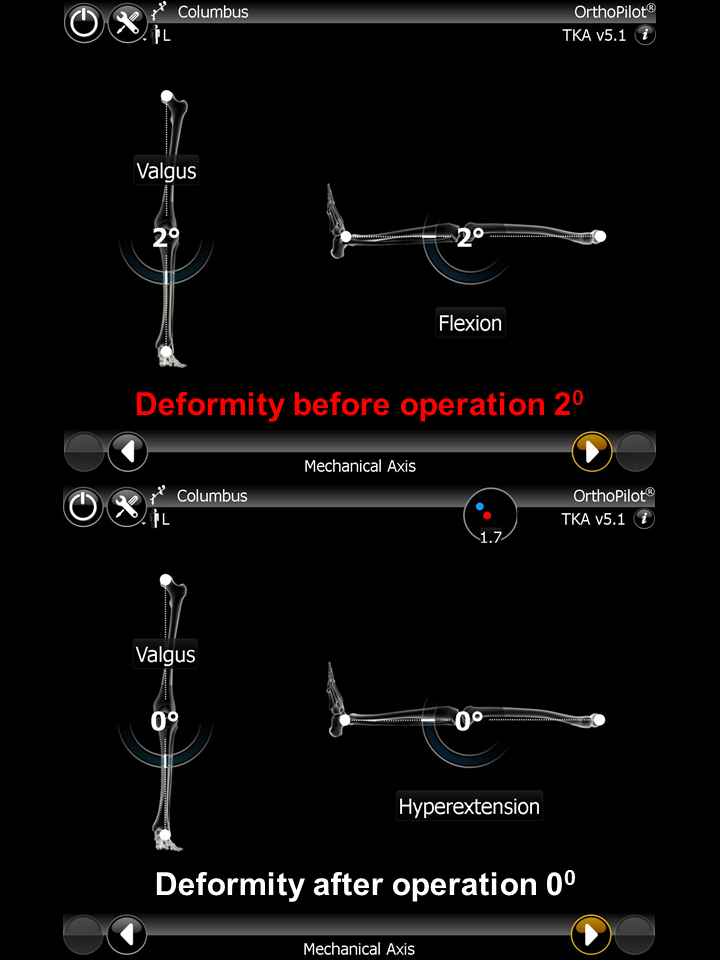
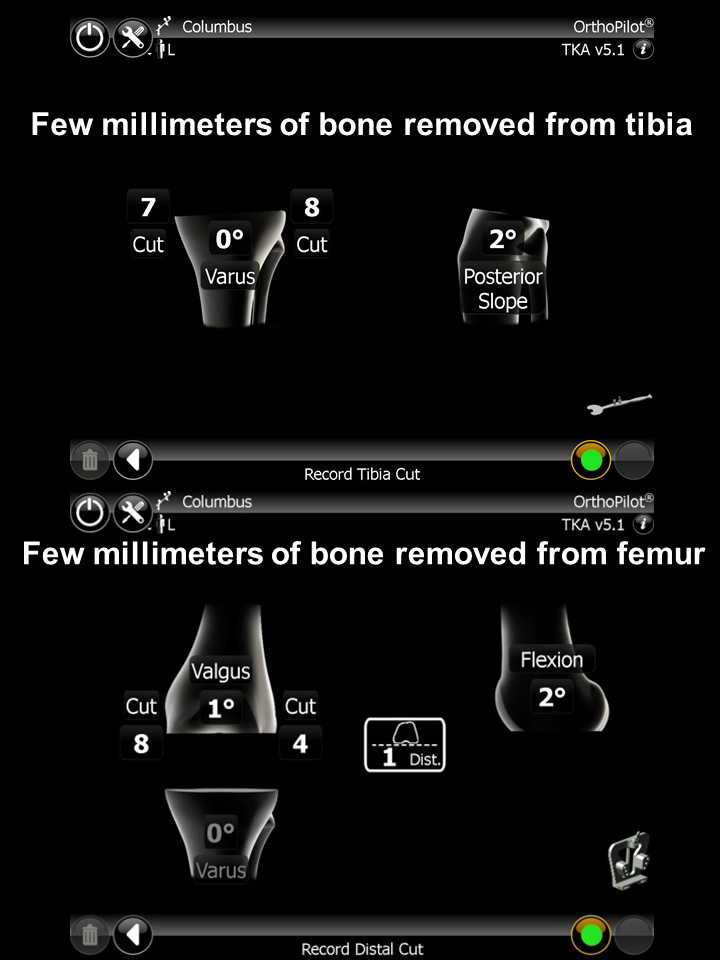
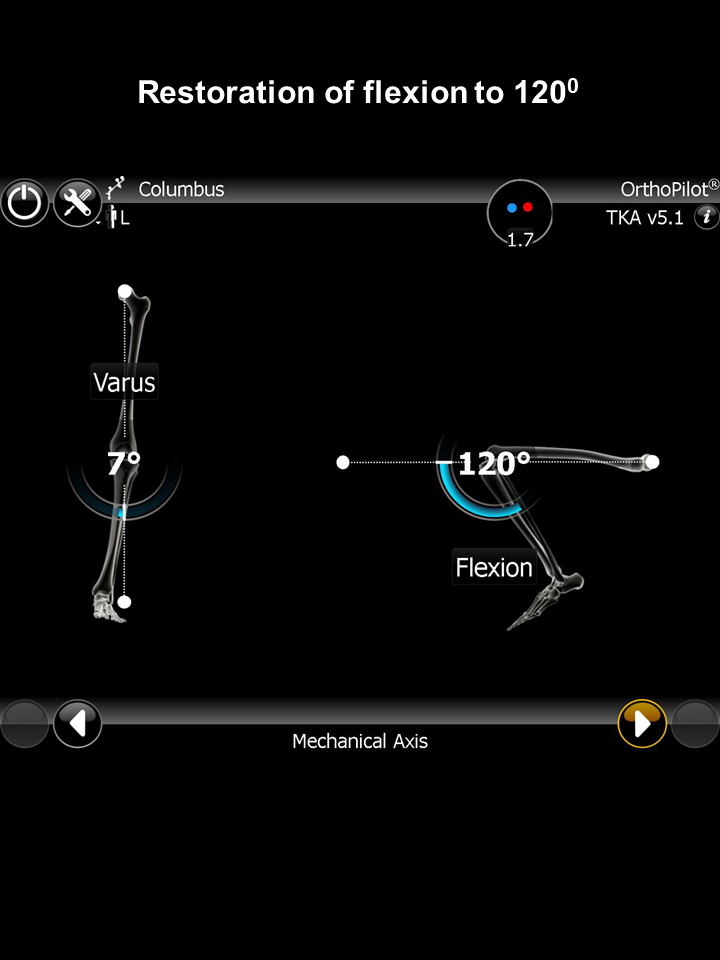
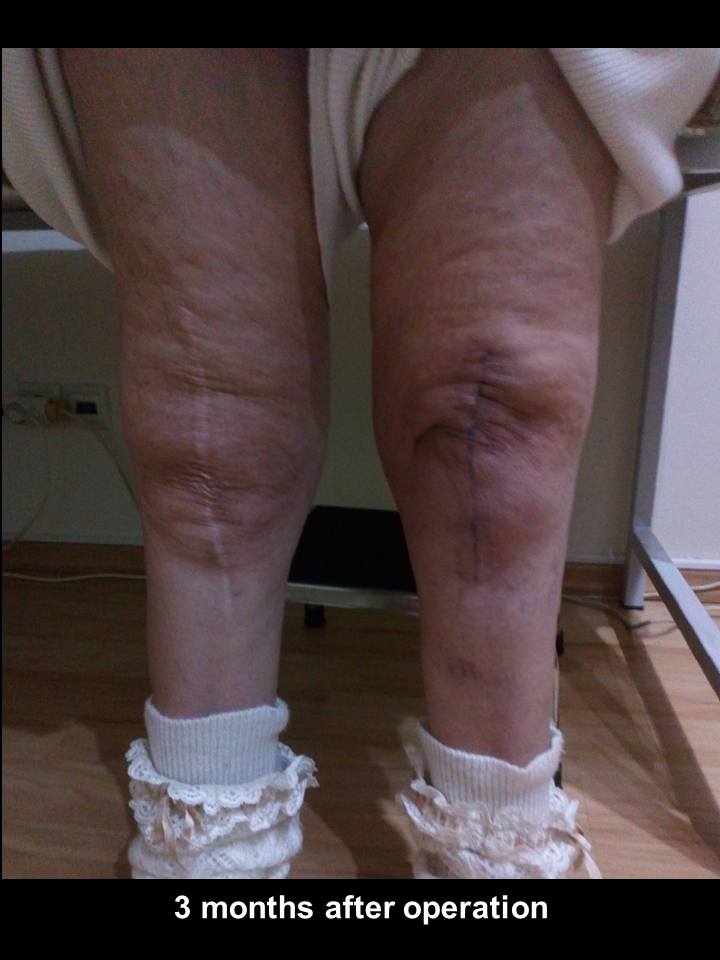
Patient with a history of rheumatoid arthritis
A 61-year-old patient with a history of rheumatoid arthritis. Years ago, she underwent right knee arthroplasty using the conventional technique. Currently, due to involvement of her left knee causing severe pain, she underwent robotic arthroplasty on her left knee. The bone-preserving technique was used, where fewer millimeters of bone were removed. The patient is now walking without any discomfort
Patient with osteoarthritis of the left knee
Patient, 80 years old, with osteoarthritis of the left knee and worsening knee pain that made it difficult for her to walk, sit, and woke her up at night. She underwent robotic arthroplasty of the left knee. The bone-preserving technique was used, where fewer millimeters of bone were removed. The patient now walks without any discomfort
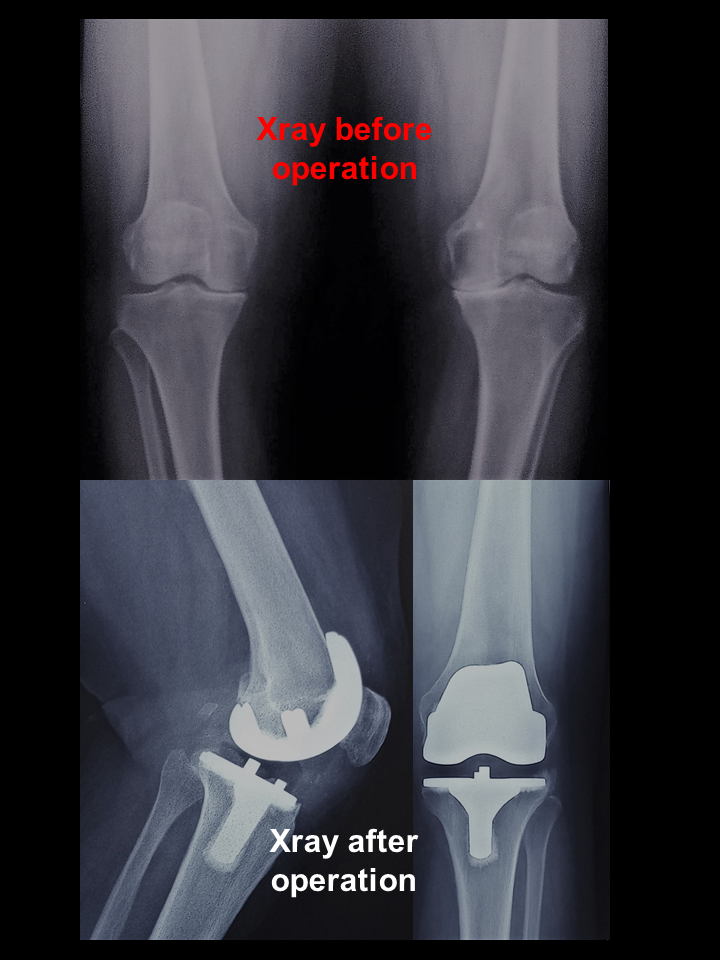
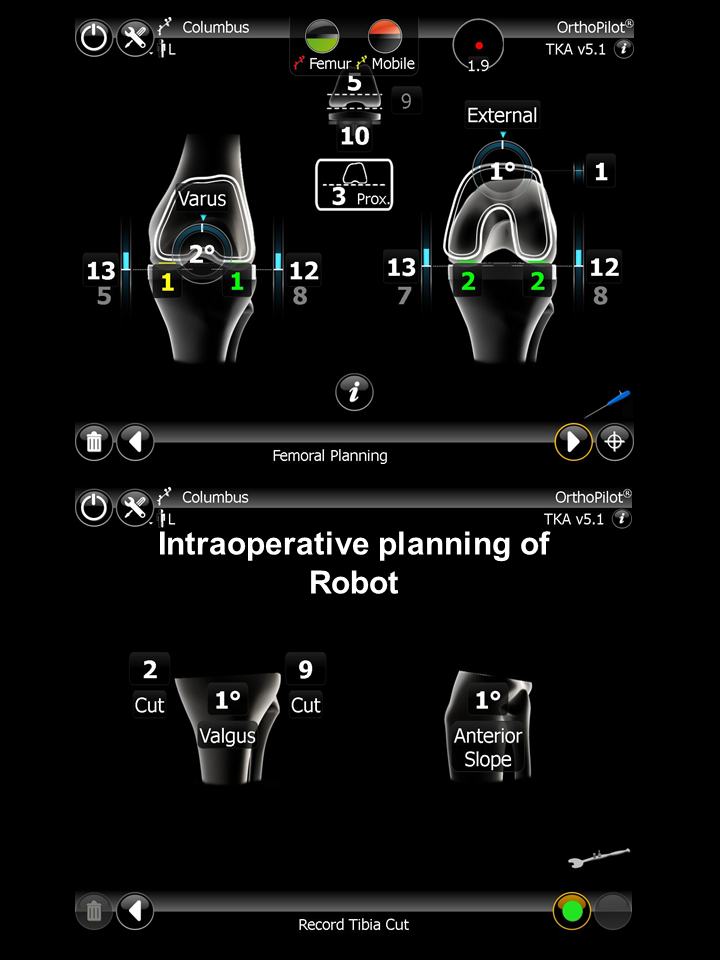
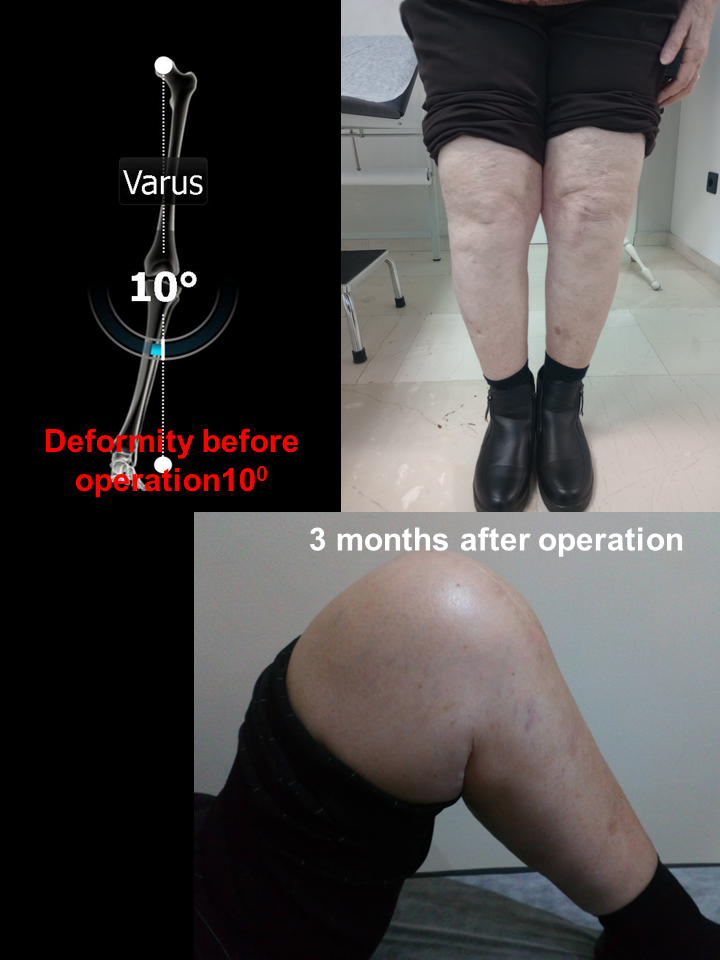
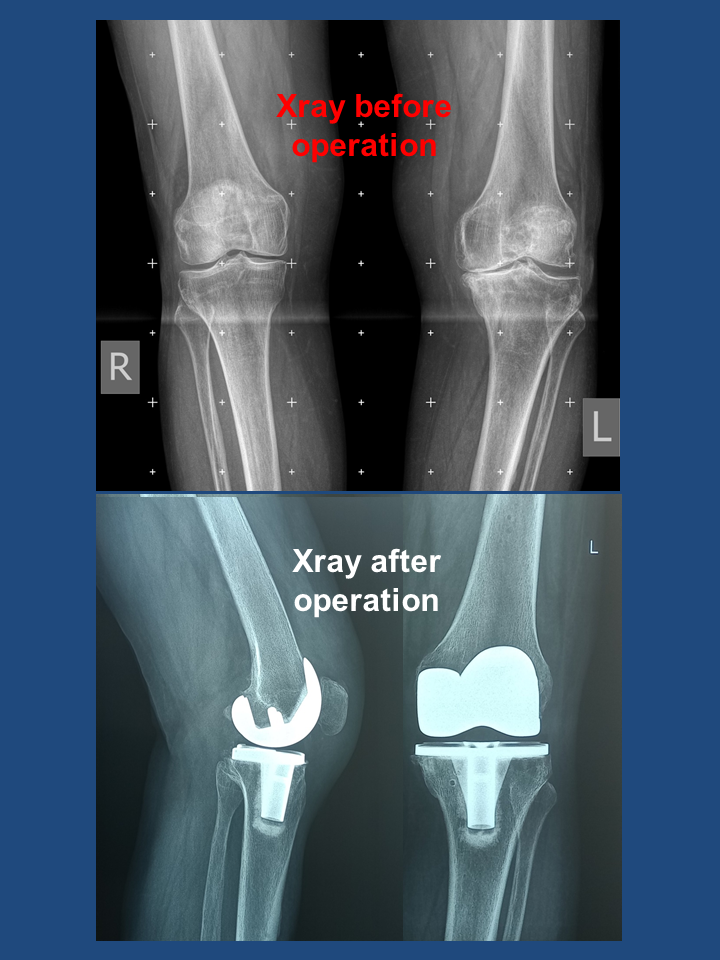
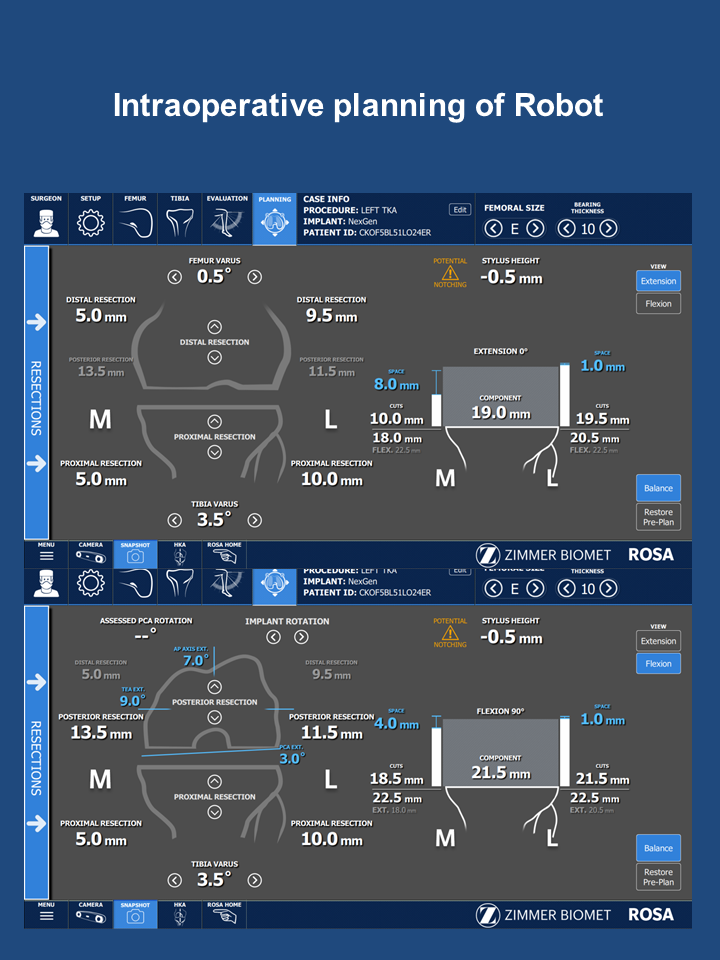
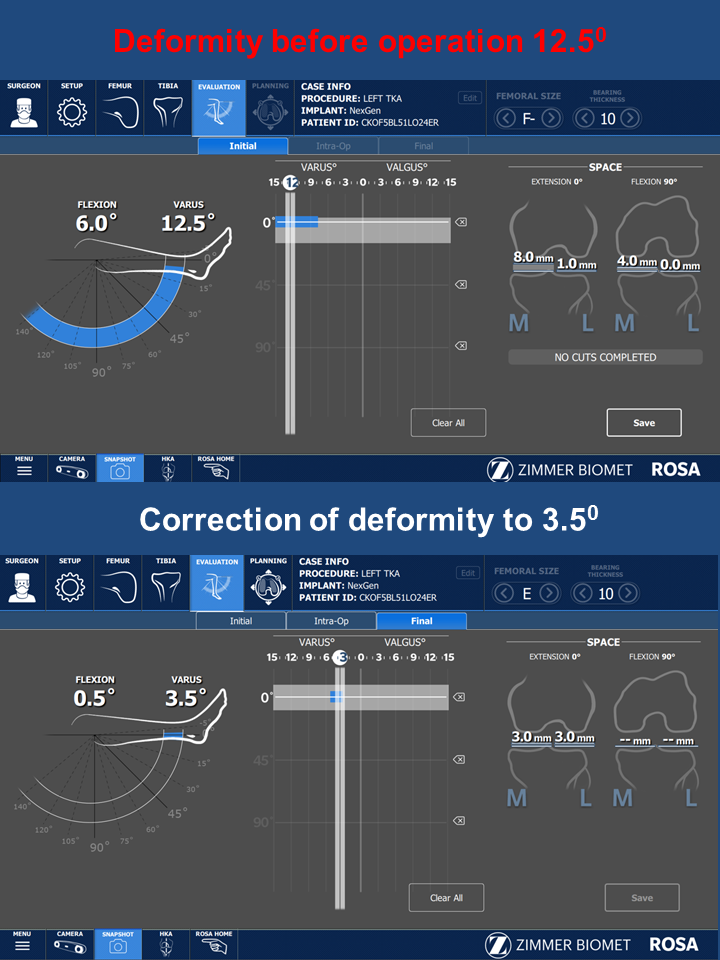
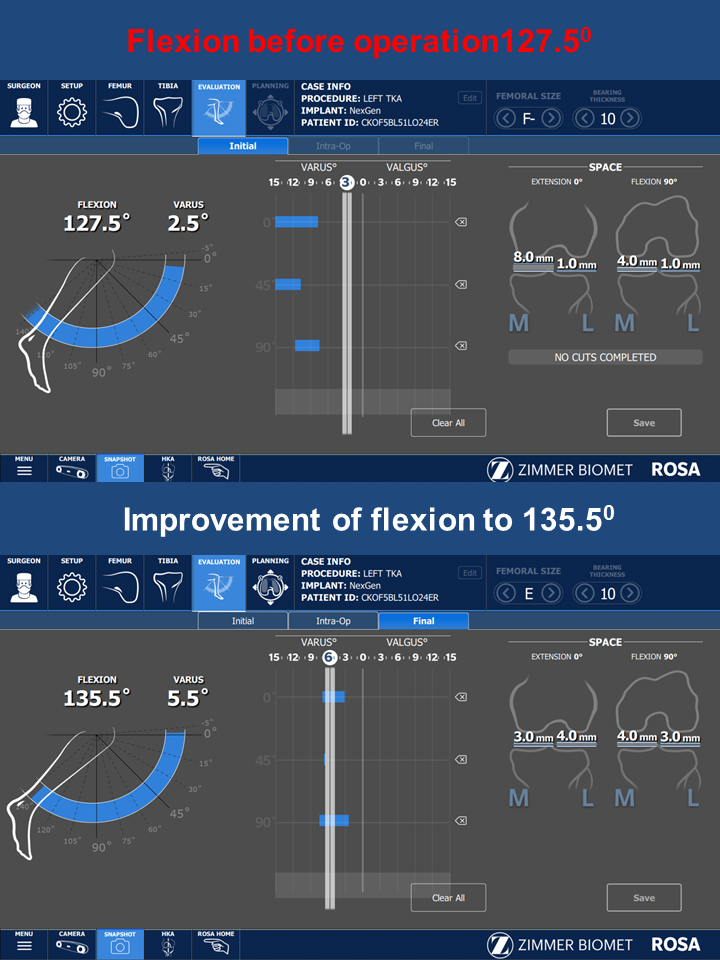
Patient with osteoarthritis of the left knee and significant deformity
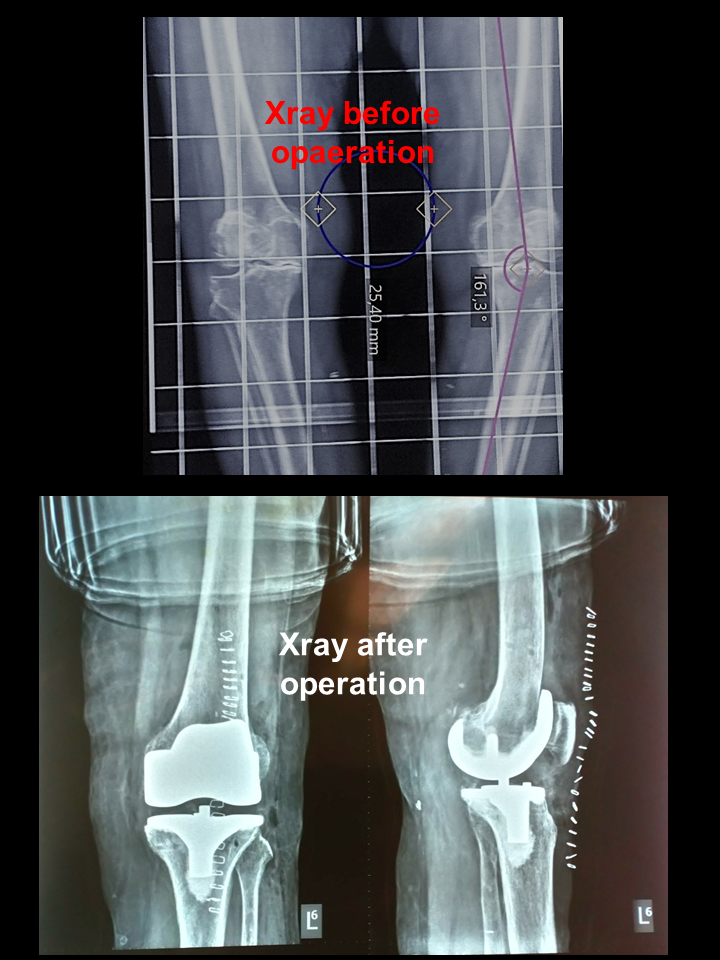
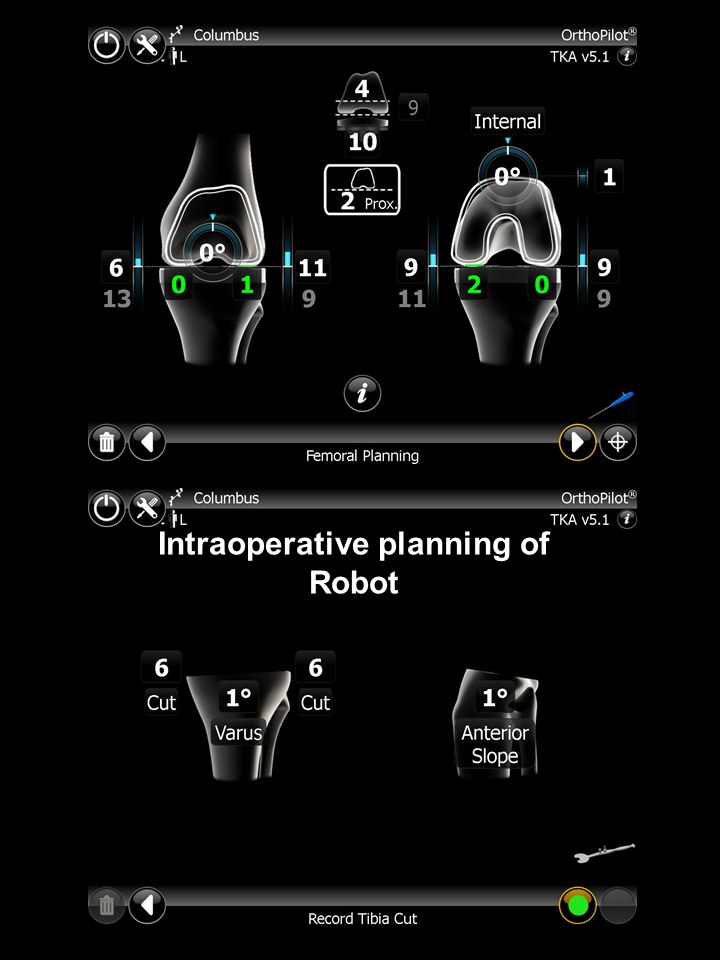
A 72-year-old patient with osteoarthritis of the left knee and significant axis deformity. She had worsening knee pain that made walking and sitting difficult and woke her up at night. She underwent robotic arthroplasty of the left knee. The bone-preserving technique was used, where fewer millimeters of bone were removed. The axis was restored from 12.50 to 3.50 and flexion from 127.50 to 135.50 . The patient now walks without any discomfort
Patient with osteoarthritis of the left knee and severe deformity
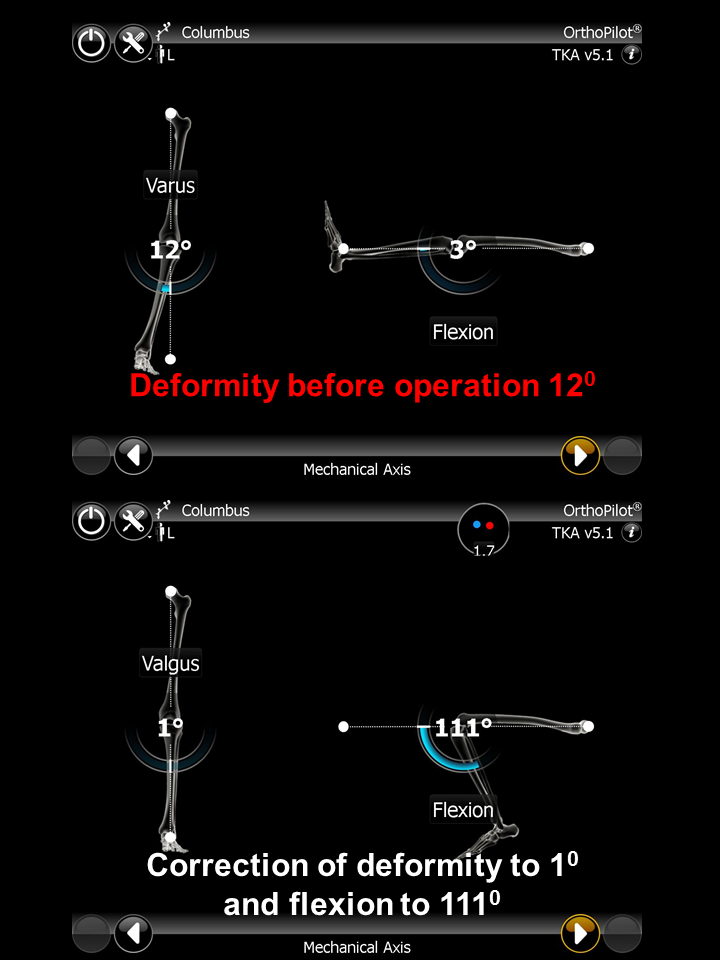
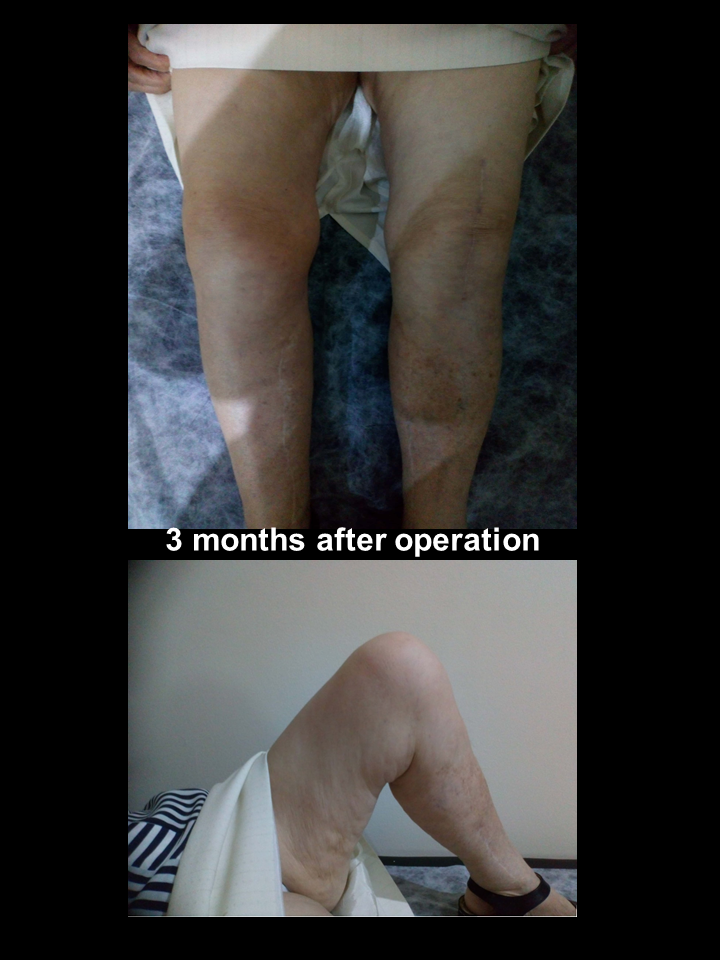
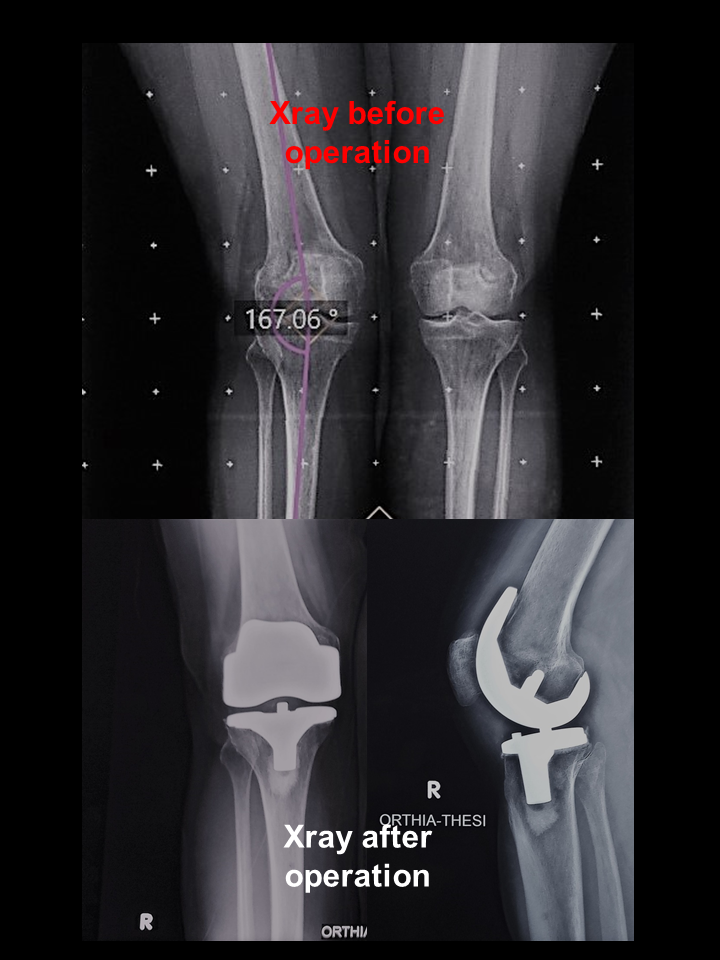
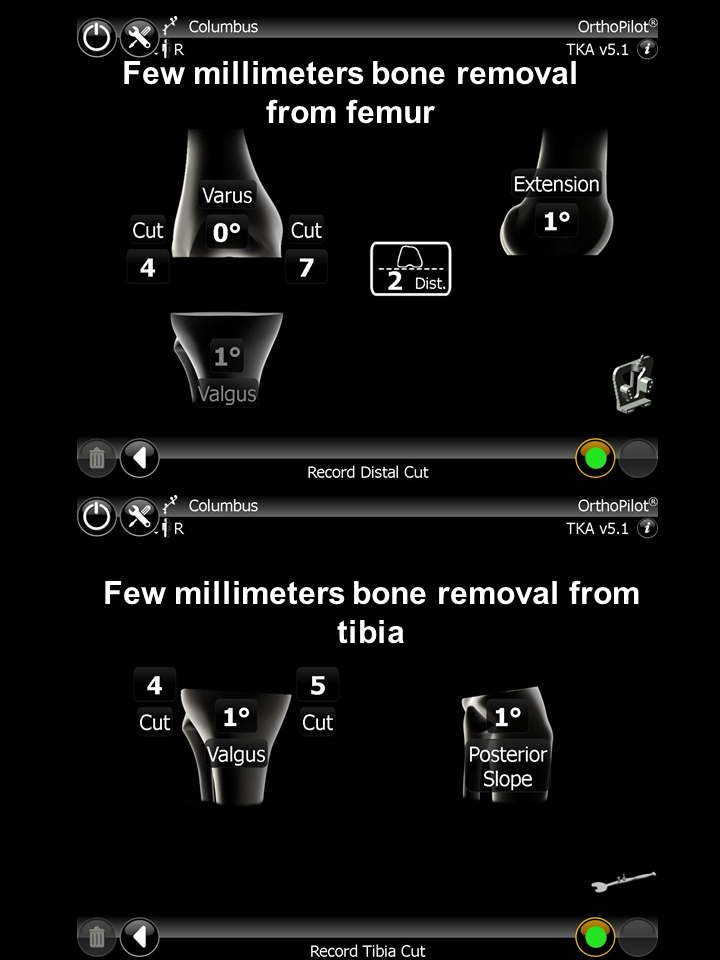
An 83-year-old patient with osteoarthritis of the left knee, severe deformity, and worsening knee pain that made it difficult for her to walk, sit, and woke her up at night. She underwent robotic arthroplasty of the left knee. The bone-preserving technique was used, where fewer millimeters of bone were removed. The axis of the left knee, which had a 120 deviation and a 30 extension deficit, was restored to 10, and flexion to 1110. The patient now walks without any discomfort.
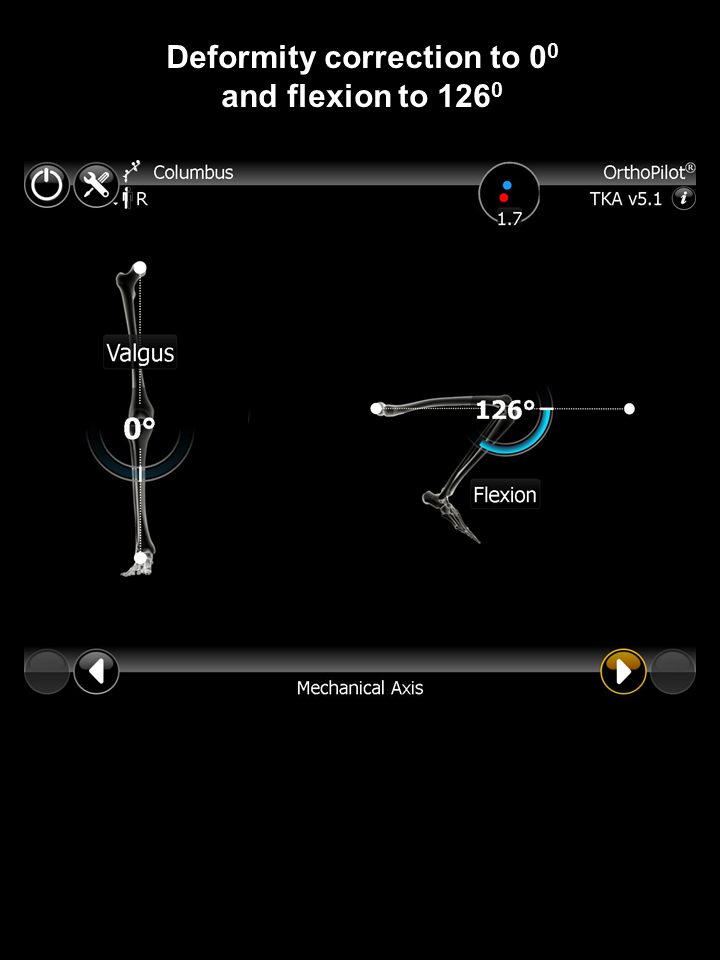
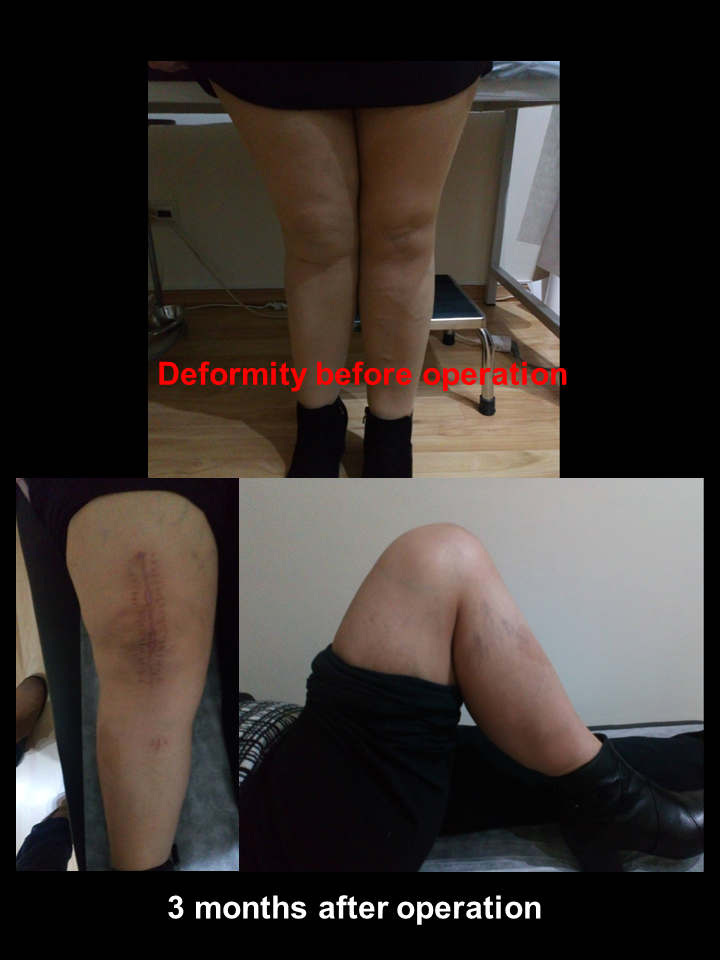
Patient with osteoarthritis of the right knee
A 68-year-old patient with osteoarthritis of the right knee, experiencing worsening knee pain that made walking and sitting difficult and woke her up at night. She underwent robotic arthroplasty of the left knee. The bone-preserving technique was used, where fewer millimeters of bone were removed. The axis, which had a 40 deviation was restored to 00, and flexion to 1260. The patient now walks without any discomfort.
Patient with osteoarthritis of the right knee and severe deformity
A 66-year-old patient with osteoarthritis of the right knee, severe deformity, and worsening knee pain that made it difficult for her to walk, sit, and woke her up at night. She underwent robotic arthroplasty of the right knee. The bone-preserving technique was used, where fewer millimeters of bone were removed. The axis, which had a 100 deviation and an extension deficit of 60, was restored to 00, and the extension deficit to – 40. The patient now walks without any discomfort.